.png)


Get a comprehensive overview
in our live demo
in our live demo
Checkbox develops affordable, feature-rich survey software for organizations, teams, and individuals

We're here to support your business supply chain needs with our software.

Whichever deployment solution you choose, Checkbox's lack of survey or respondent limits means you can gather comprehensive insights on consumer behavior, customer sentiment, purchase behavior, brand perceptions, and more.


We're here to support your business supply chain needs with our software.
Fill out this form and our team will respond to connect.
If you are a current Checkbox customer in need of support, please email us at support@checkbox.com for assistance.











.svg)
We're here to support your business supply chain needs with our software.
Fill out this form and our team will respond to connect.
If you are a current Checkbox customer in need of support, please email us at support@checkbox.com for assistance.




.png)
The best market research platform serves the needs of its users. We provide customers with Checkbox hosting options to suit their use case, industry, and market size.
Whichever deployment solution you choose, Checkbox's lack of survey or respondent limits means you can gather comprehensive insights on consumer behavior, customer sentiment, purchase behavior, brand perceptions, and more.
We're here to support your business supply chain needs with our software.
Fill out this form and our team will respond to connect.
If you are a current Checkbox customer in need of support, please email us at support@checkbox.com for assistance.

.svg)

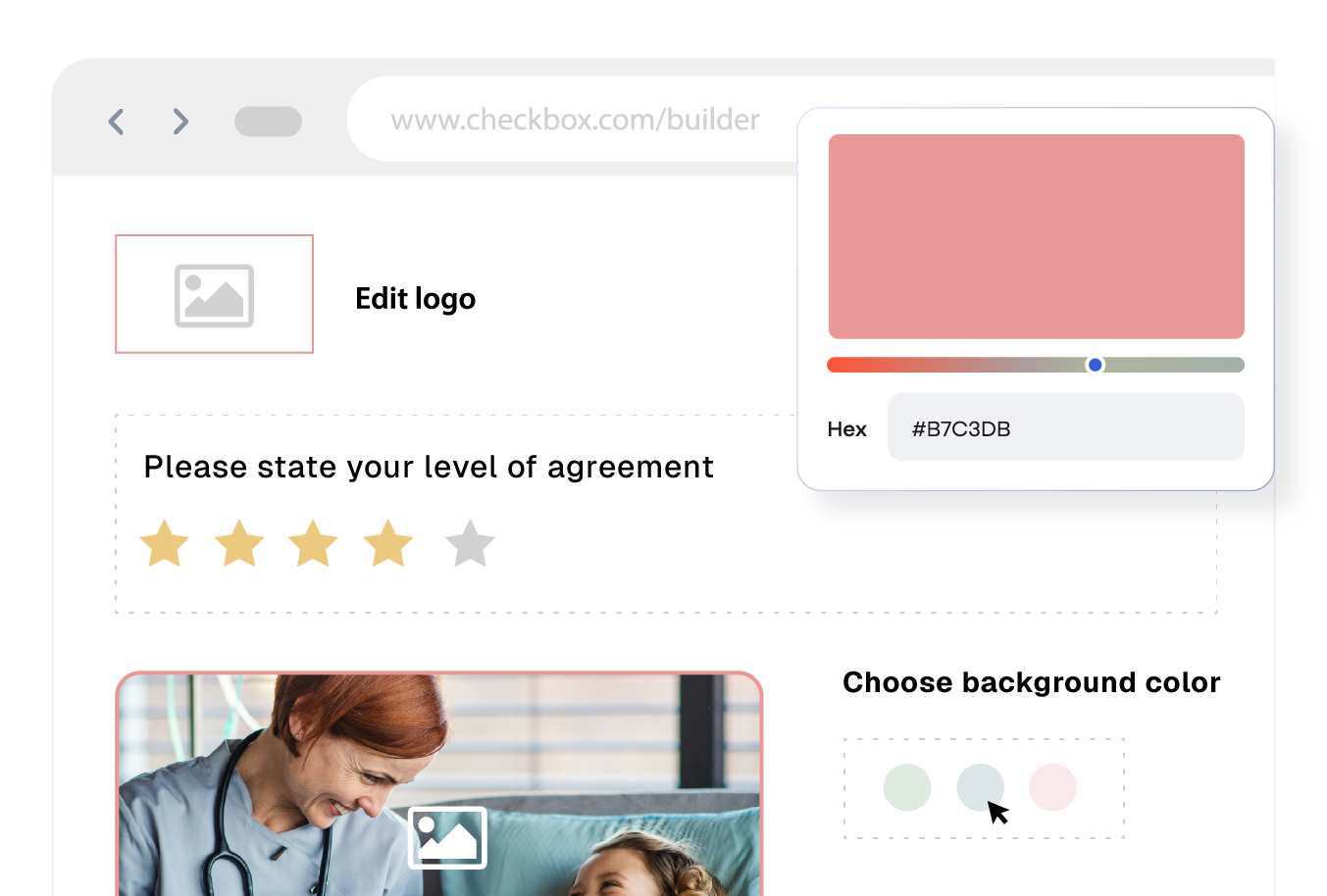
Your supply chain management should reflect your business well and maintain branding for suppliers and partners. Checkbox supply chain management surveys can be customized to match your organization's branding for a seamless, personal survey experience.
Elevate your data security and accuracy with Checkbox's dynamic user profiles. Supply chain surveys rely on accurate, up-to-date information and data. Ensure maximum accuracy by centrally controlling who can update user profiles – whether that is respondents or managers, it is up to you.
Make more of your supply chain management survey software with Checkbox's intelligent technical integrations. Work with REST API and webhooks to combine our industry-leading survey software with your tech stack for dynamic supply chain management solutions.
Who says that streamlining your supply chain management should be a hard task? With Checkbox's no code editor software, you can make powerful changes to your supply chain surveys with no development required.
The best market research platform serves the needs of its users. We provide customers with Checkbox hosting options to suit their use case, industry, and market size.
Whichever deployment solution you choose, Checkbox's lack of survey or respondent limits means you can gather comprehensive insights on consumer behavior, customer sentiment, purchase behavior, brand perceptions, and more.
We're here to support your business supply chain needs with our software.
Fill out this form and our team will respond to connect.
If you are a current Checkbox customer in need of support, please email us at support@checkbox.com for assistance.
The best market research platform serves the needs of its users. We provide customers with Checkbox hosting options to suit their use case, industry, and market size.

Unlike many other enterprise survey platforms, Checkbox charges users a one-off annual fee – there are no credits or hidden costs.
Create as many questionnaires as you need and survey as many people as you want with our scalable survey software for enterprise teams.
Handle thousands or even millions of responses without performance issues thanks to our self-hosted solution.